

Picky eating is a term that so many parents and caregivers can relate to and it sure is a term that causes a lot of anxiety for both parents and children and that is why we want to give you tips to approach picky eating at home. My 5-year old daughter is a picky eater, especially regarding food textures. She cannot chew food that is chewy like chicken and will often gag when she eats certain textures of food. Her picky eating has resulted in so much stress around the dinner table.
Picky eating usually develops due to a taste, texture (tactile) or smell sensitivity. It is important to know that all sensory experiences have emotional connections and in order to help your child with their sensory difficulty you need to pay attention to your own, as well as your child’s emotional well-being.
The emotional connection to picky eating
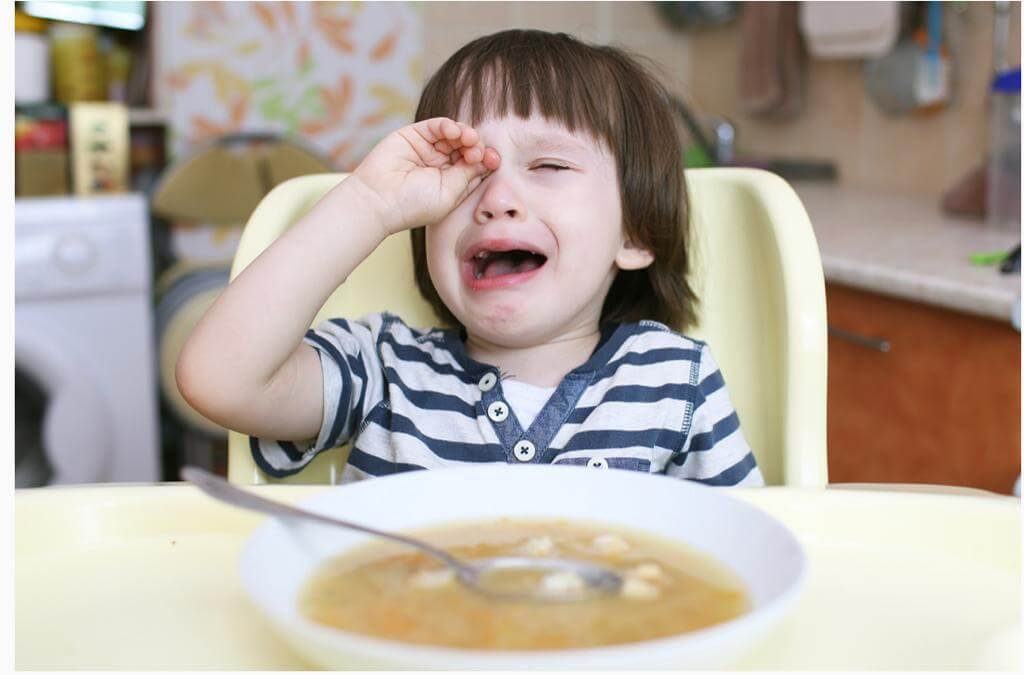
Therefore, before working on your child’s picky eating, consider the emotional environment around mealtime. As a parent, your tone of voice, the way you emotionally approach mealtime and your own anxiety levels sets the tone and the success of that specific meal. Our children mirror our emotions.
Another way to help your child be calm at mealtime is to make sure that they get regular proprioceptive input throughout their day so that they feel calmer and more content at mealtime. Click here to look at our post on Instagram regarding Proprioceptive activities in the home environment.
If your child has already developed a fear around food and mealtime and as a parent, you find it hard to manage their emotions regarding eating, consider including a play therapist into your journey. A play therapist can help your child make sense of their big emotions and it will also give you guidelines on how to handle your child at home so that the emotional space stays safe for growth and exploration.
Important Factors to Consider
For the first few steps of this approach your child can help you decide what they are going to eat even though it might differ from the rest of the family. By giving them this sense of control, you immediately lower their anxiety levels which will help at the end of the process to make them more open to try food that are out of their comfort zone.
Before I share the different steps, please remember that you can only move to the next step once your child is 100% comfortable with the current step. Be patient with your child and with the process. The moment you try to hurry the process or your own anxiety takes over, the regression will be evident.
It is vital for this process and for developing a healthy relationship with food that as a family you sit at a dinner table during mealtimes. One of the crucial benefits of eating at a dinner table during each mealtime is that it prepares your child’s sensory system for eating and it also helps to move the focus from their eating to the family’s eating.
Steps in desensitizing your child’s picky eating
Step 1: Have the food that they dislike at the furthest end of the table (if that is too close move it even further away as long as it is in the same room), while they eat food that they feel comfortable with.
Step 2: Day by day, move the food closer to them until it is in front of them on the dinner table. Continue to let them eat food that they are comfortable with.
Step 3: Give your child the task of dishing up the food for the other family members excluding him/herself.
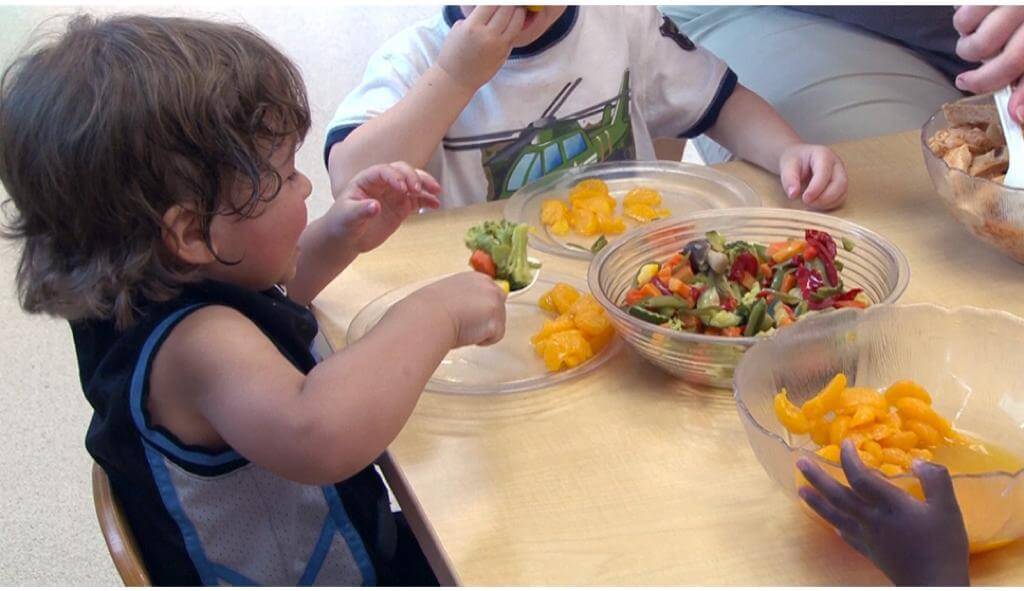
Step 4: Once your child is comfortable with dishing up food that they cannot tolerate, they now have to dish a bit of that dish onto their own plate with no expectation of tasting or exploring that dish. On the other side of their plate, they can dish the food that they want to eat.

Step 5: The following step requires your child to touch the ‘unwanted’ food until they are comfor-table with how it feels without the expectation of eating it.
Another way to approach this step is to include your child in the actual making of the ‘unwanted’ food and in this way, they come into closer sensory contact with the food. Talk to them about their experience as they touch it e.g. what does it feel like, how does it look, and how does it smell. You can help them make sense of it by making comments such as “This feels soft or lumpy…”
Step 6: The last step is for your child to taste the food. Remember to allow them to spit out food that they are not yet comfortable with eating. This will decrease the anxiety around trying new food and will help them to be more open to try new food.
The length of the process will be child specific. It is very important to stay patient, supportive and emotionally calm towards your child as the slightest pressure will cause regression. Your child needs to know that you respect their response and that you have their back all the way. Make the preparation and the type of food exciting. Bring in fantasy and exploration and always remember to have fun. When we have fun and we are truly happy we will always have more tolerance to do something out of our comfort zone as opposed to when we feel forced or stressed.

Contact us if you are concerned about picky eating challenges with your child