
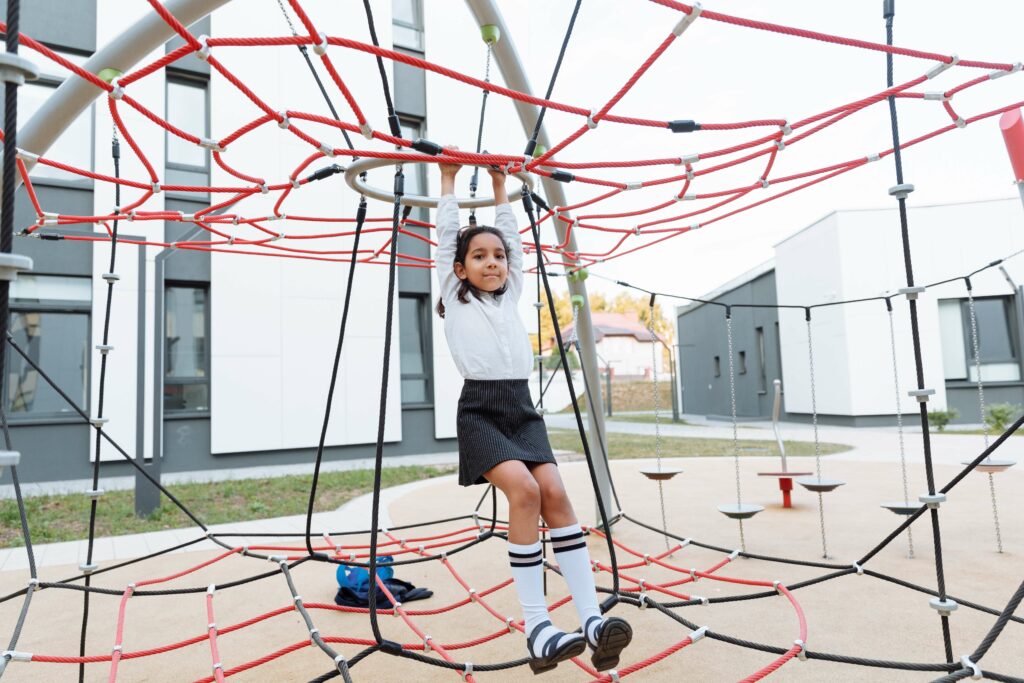
Proprioception is the sense that allows us to perceive the position and movement of our body parts. It is an essential part of our ability to move, interact with the world around us, and develop a sense of self-awareness. It can also be explained as the body awareness sense. Proprioception is especially important for children, as they are constantly learning new motor skills and exploring their environment.
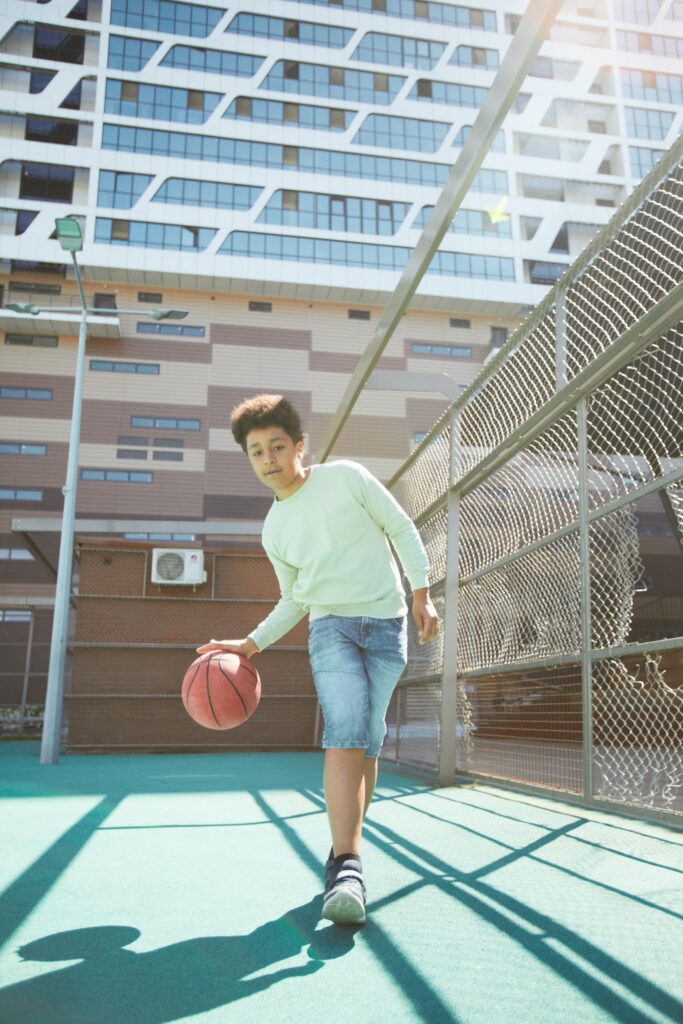
The development of proprioception in children begins at birth, as they begin to explore their bodies and the world around them. Infants learn about their bodies by moving their limbs, rolling over, and crawling. These movements help them to develop a sense of where their body is in space and how to coordinate their movements.
As children grow, their proprioceptive abilities become more refined. They learn to walk, run, jump, and climb, which require a more advanced sense of proprioception. They also begin to develop fine motor skills, such as writing and drawing, which require a high degree of precision and control.
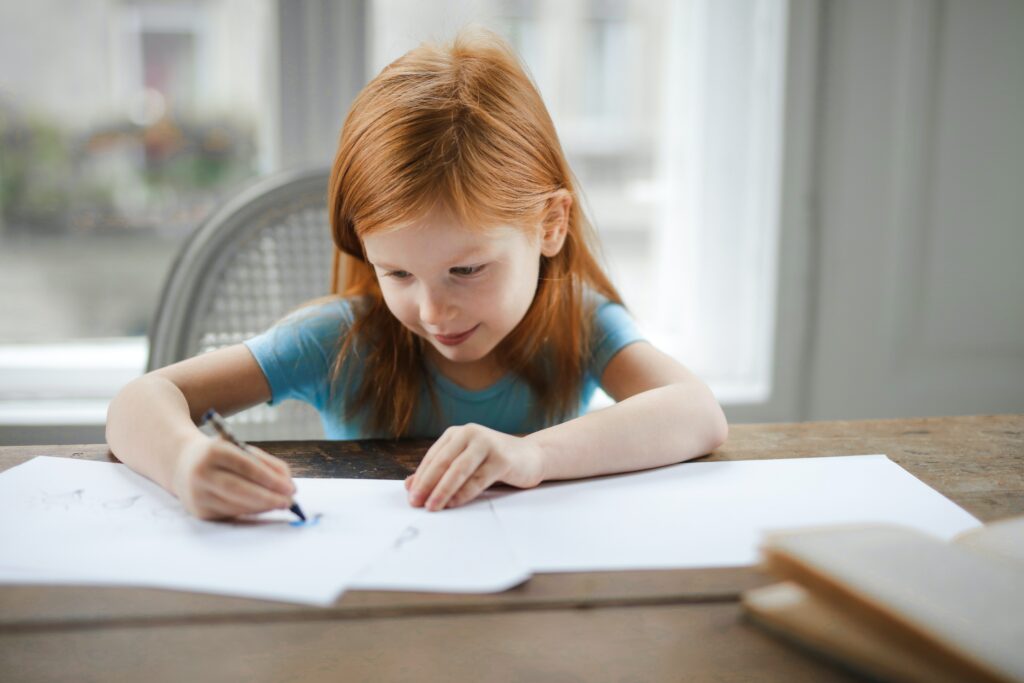
Children who have difficulty with proprioception may have trouble with coordination, balance, and spatial awareness. They may also have trouble with tasks that require fine motor skills, such as writing or tying their shoes. They may appear clumsy or uncoordinated and may have difficulty participating in sports or other physical activities.
One way that children can receive proprioceptive input is through activities that involve heavy work or resistance, such as pushing, pulling, or carrying objects. These types of activities provide deep pressure input to the muscles and joints, which can help children to feel more grounded and aware of their body position. Carrying a backpack filled with books or pushing a heavy object across the floor are good examples of tasks that can provide proprioceptive input to the upper body.
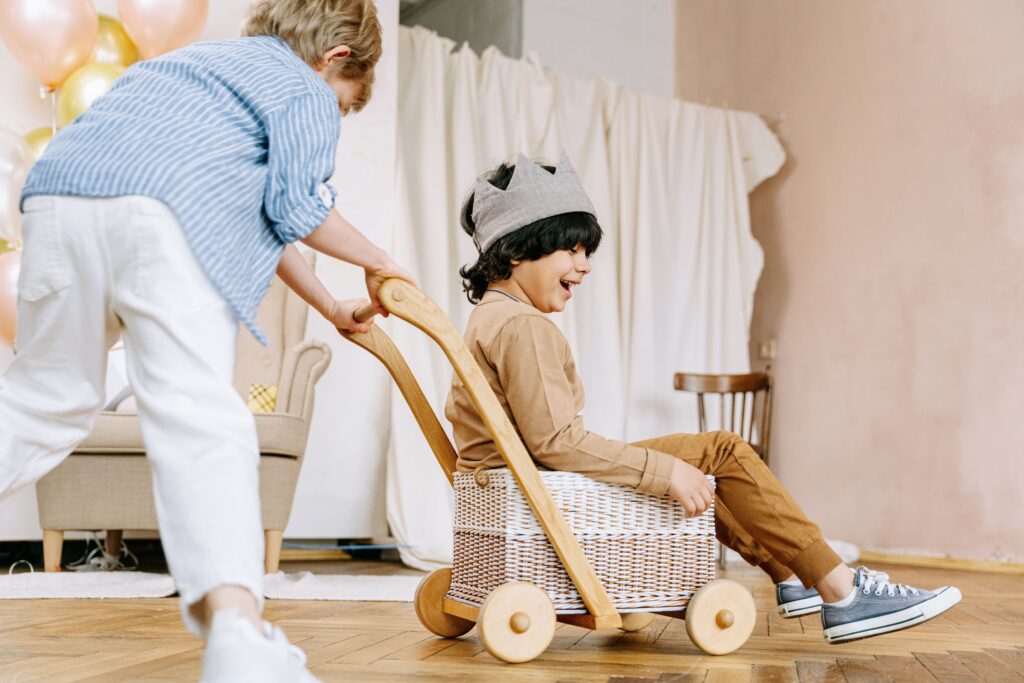
Another way that children can receive proprioceptive input is through activities that involve balance and coordination, such as walking on a balance beam or jumping on a trampoline. These types of activities challenge the body’s proprioceptive system by requiring it to adjust to changes in position and movement. By practicing these types of activities, children can improve their overall proprioceptive awareness and develop better balance and coordination.
By helping children to develop their proprioceptive abilities, we can improve their physical coordination and help them to participate more fully in the world around them. We can also help them to develop a greater sense of self-awareness, which can contribute to their overall emotional and- cognitive development.
In conclusion, proprioception plays a crucial role in the development of children’s physical and cognitive abilities. By providing opportunities for proprioceptive input through activities that involve heavy work, resistance, balance, and coordination, parents and caregivers can help children to improve their proprioceptive awareness and overall physical development helping them to achieve their full potential.
Have a look at our instagram page for ideas on how to incorporate proprioceptive activities at school and at home. https://www.instagram.com/wholenessot/ or contact us if you think your child might benefit from an assessment.
Reference:
Bundy, A.C., Lane, S., Mulligan, S., Reynolds, S. and Fisher, A.G. (2020). Sensory integration: Theory and Practice. Philadelphia: F.A. Davis, pp 70 – 82